
Small vs. Large Dog Breeds: Which Is Right for You?


Small vs. Large Dog Breeds: Which Is Right for You?
One of the first decisions every new dog owner faces is also one of the most fundamental: small dog or large dog? It sounds simple on the surface, but the choice touches almost everything: the size of your home, your daily routine, your budget, how your dog will interact with your family, and what kind of companion you're really looking for. There is no universally right answer, but there is a right answer for you.

Small Breeds
Small dogs are adaptable in ways that large breeds simply cannot match. They fit comfortably in apartments, smaller homes, and urban environments where outdoor space is limited. They eat less, cost less to feed, and tend to have lower overall ownership costs when it comes to medications, grooming, and supplies scaled to their size. Traveling with a small dog is also significantly easier. Many airlines allow dogs under a certain weight to travel in-cabin, which is rarely an option with a large breed.
Small breeds are also a practical choice for older adults or anyone who may not have the physical capacity to manage a large, powerful dog. That said, small does not mean low-maintenance. Many small breeds, like Chihuahuas, Jack Russell Terriers, and Dachshunds, have enormous personalities and high energy levels that surprise first-time owners. A small dog still needs consistent training, regular exercise, and mental stimulation to be happy and well-behaved.
Large Breeds
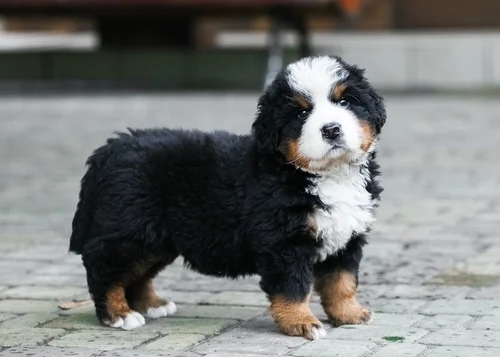
Large dogs bring a different kind of presence to a household. They tend to be calmer and more even-tempered than many small breeds, particularly once past the puppy phase. Breeds like the Labrador Retriever, Golden Retriever, and Bernese Mountain Dog are known for their gentle, patient natures. Large dogs also tend to be more physically resilient and comfortable with rough-and-tumble play.

For active owners, a large breed is often the better companion. They can keep up on long runs, hikes, and outdoor adventures in a way smaller dogs cannot always manage. Many large breeds also have strong protective instincts, which appeals to owners who want a dog that will watch over the household. The trade-offs are real, though: larger dogs eat more, cost more to care for, and require more space to live and exercise comfortably.
Matching Your Dog To Your Lifestyle
Size is not a reliable predictor of energy level, and this is where many new owners get surprised. Some of the most energetic breeds in the world are small -- Border Terriers, Miniature Pinschers, and Parson Russell Terriers can outpace plenty of large breeds. Conversely, some of the calmest, lowest-energy dogs are large; Basset Hounds, Great Danes, and Saint Bernards are famously laid-back.
Before settling on a size, think about your activity level honestly. Do you want a dog that will push you to be more active, or one that is content to match a quieter lifestyle? Are you home most of the day, or does your dog need to be comfortable with longer stretches alone? Energy level and independence are often more important than size in determining day-to-day compatibility.
Space and Living Situation
While small breeds are generally more adaptable to smaller living spaces, a well-exercised large dog can do just fine in an apartment, the key word being well-exercised. A high-energy large breed cooped up in a small space without enough daily activity will become destructive and anxious. A calm large breed that gets regular walks, on the other hand, can settle perfectly well in a smaller home.
If you have a yard, a large dog will make more use of it. If you live in a city or do not have outdoor space readily available, a small breed or a calm large breed with a reliable exercise routine is the safer bet. The space question is less about square footage and more about the routine you can realistically commit to.
Making the Final Call
If you are genuinely torn, spend time with both sizes before deciding. Pay attention not just to how cute they are but to how they interact with you, how much they seem to need, and whether that feels manageable. The best dog is not the most popular breed, it’s the one that fits naturally into the life you are actually living.